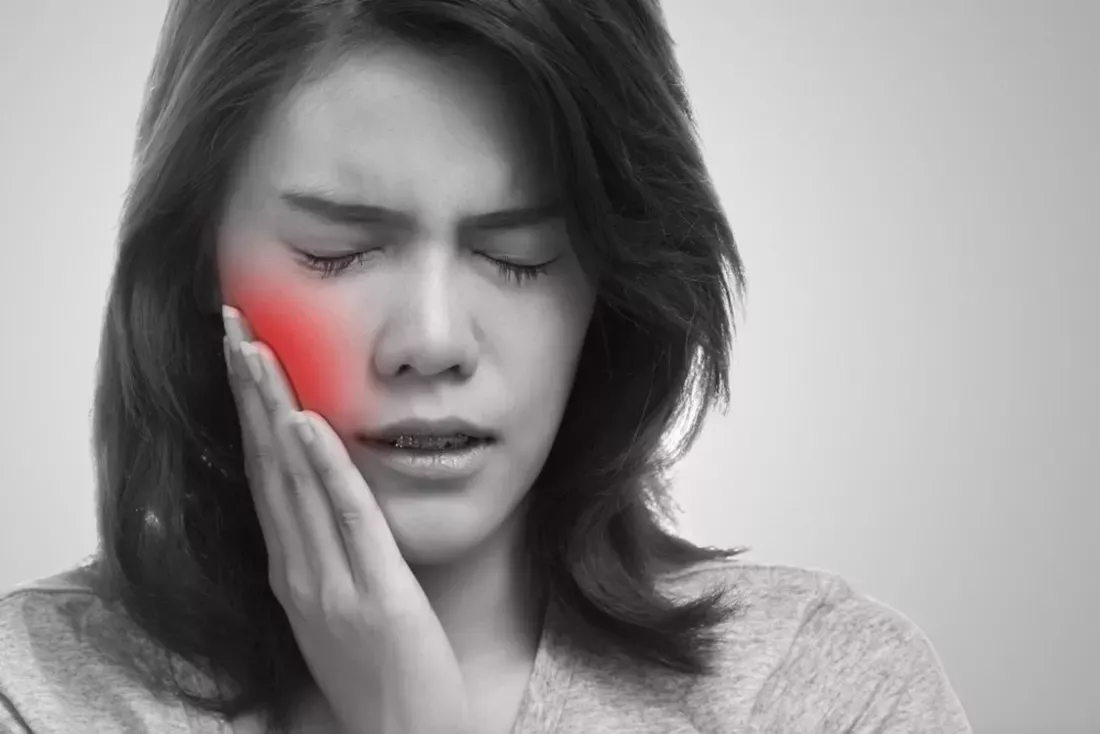
The holiday season brings joy and celebration, but it also brings heightened stress and anxiety for many people. While we often focus on the emotional toll of seasonal stress, it can manifest in surprising physical ways—including holiday stress bruxism, the unconscious clenching or grinding of teeth that affects millions of Americans.
What Is Bruxism?
Bruxism is a condition where you clench or grind your teeth, either consciously or unconsciously. Many people experience this during the day without realizing it, while others grind their teeth at night during sleep, a condition known as sleep bruxism.
While mild cases may not require treatment, frequent and severe bruxism can lead to serious dental and health complications, including jaw disorders, chronic headaches, damaged teeth, and other painful conditions.
How Stress Triggers Teeth Grinding
Stress and anxiety are among the primary triggers for bruxism. During stressful periods like the holidays, your body may respond by tensing muscles throughout your body—including your jaw. This tension often manifests as teeth clenching or grinding, particularly during sleep when you have less conscious control over these movements.
Recognizing the Symptoms of Bruxism
Many people don’t realize they grind their teeth until they experience symptoms or a sleeping partner alerts them to the noise. Common signs of bruxism include:
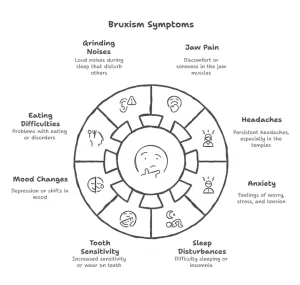
Many people don’t realize they grind their teeth until they experience symptoms or a sleeping partner alerts them to the noise. Common signs of bruxism include:
- Jaw pain or soreness, especially upon waking
- Chronic headaches, particularly in the temporal area
- Anxiety, stress, and tension throughout the day
- Sleep disturbances or insomnia
- Tooth sensitivity or visible wear on teeth
- Depression or mood changes
- Eating difficulties or disorders
- Loud grinding noises during sleep that disturb partners
The Connection Between Bruxism and TMJ Disorders
When you clench your teeth, you place significant pressure on the muscles, tissues, and structures surrounding your jaw. Over time, this pressure can lead to temporomandibular joint (TMJ) disorders, which cause pain and dysfunction in the jaw joint and muscles that control jaw movement.
Additionally, the constant grinding motion wears down tooth enamel, leading to increased sensitivity, fractures, and even tooth loss in severe cases.
Treatment Options for Bruxism
If you suspect you’re grinding or clenching your teeth, several treatment approaches can help alleviate symptoms:
Lifestyle Modifications
- Avoid triggering actions such as excessive yawning, singing loudly, or chewing gum
- Apply moist heat or cold packs to your face to relax jaw muscles
- Practice stress-reduction techniques like meditation, deep breathing, or yoga
- Improve sleep hygiene to promote better rest
Night Guards: A Simple Solution
A night guard (also called a mouth guard) offers an effective solution for many bruxism sufferers. This custom-made acrylic appliance features an internal silicone coating for comfortable fitting. Night guards work by:
- Creating a protective barrier between upper and lower teeth
- Relaxing mastication muscles during sleep
- Relieving pain caused by clenching or grinding
- Preventing further tooth damage and enamel wear
Night guards are specifically designed to be worn during sleep hours and can significantly improve your quality of rest while protecting your dental health.
Take Action Against Holiday Stress and Bruxism
Don’t let teeth grinding compromise your dental health this holiday season. If you experience jaw pain, headaches, or suspect you may be clenching or grinding your teeth, seeking professional evaluation is the first step toward relief.
Early intervention can prevent long-term damage to your teeth and jaw, helping you enjoy the holidays—and every day—pain-free.
Schedule your complimentary bruxism evaluation today by calling (305) 857-0990.
Reference: www.ada.org