Table of Contents
ToggleThere is no single answer scrawled on a chart somewhere that says “veneers happen at age X.” The reality is more nuanced, more personal, and honestly more interesting than that. Porcelain veneers Miami are one of the most transformative cosmetic dentistry treatments available today, and in cities like Miami, where appearance and confidence carry real social and professional weight, the question of timing comes up in consultations constantly.
If you have been searching for information about veneers in Miami or wondering whether you are too young – or maybe too old – to consider them, the short answer is this: most people who get veneers are between the ages of 25 and 55, but the right age depends on several biological, cosmetic, and lifestyle factors that go beyond a number.
Here is what you need to know.
Why Age Matters for Dental Veneers
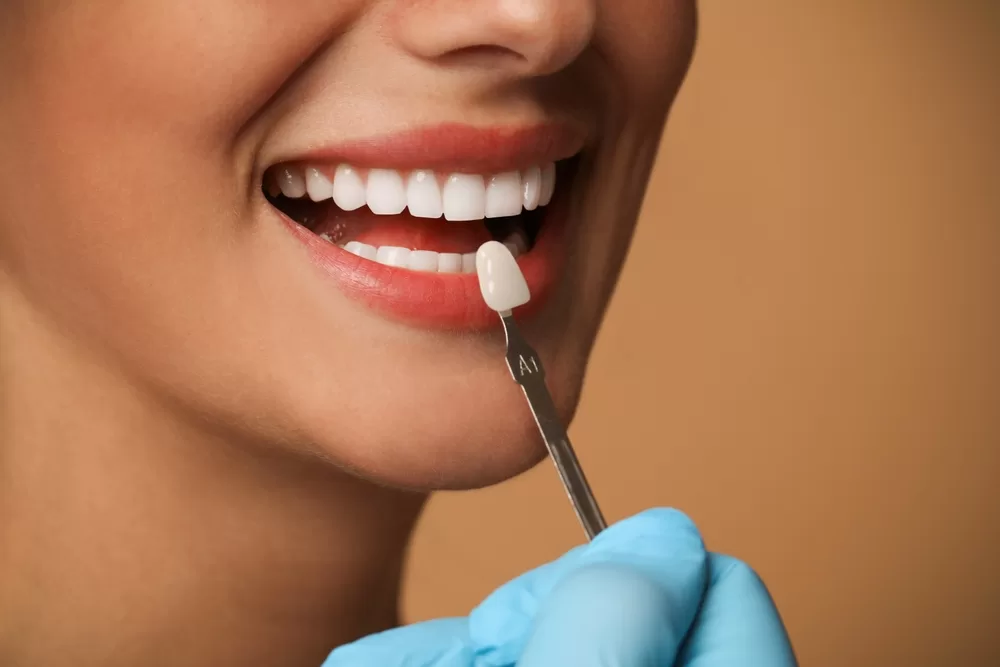
Veneers are wafer-thin shells – typically made from porcelain – that are bonded to the front surface of your teeth. Because placing them involves removing a small, irreversible layer of enamel in most cases, the veneers procedure is considered permanent. That alone makes timing a critical part of the conversation.
The main reason dentists pay close attention to age is jaw and tooth development. Until your late teens or early twenties, your teeth may still be shifting slightly, and your bite is still maturing. Placing veneers on teeth that have not fully settled can lead to alignment issues, premature wear, or even veneer failure down the road.
Teenagers: Almost Always Too Early
Dentists universally advise against veneers for patients under 18. During adolescence, the permanent teeth are still erupting, the jawbone is developing, and gum tissue is not yet at its final position. Placing veneers at this stage is not just inadvisable – it can cause actual harm.
For teenagers dealing with cracked, discolored, or chipped teeth, cosmetic bonding is typically the recommended alternative. The veneers procedure is reversible, requires no enamel removal, and can be replaced once the patient is older and ready to explore more permanent solutions.
Early 20s: Proceed With Caution
By the early to mid-twenties, most patients have fully erupted, stable teeth and are reasonable candidates for veneers – with some caveats. Dentists want to confirm that wisdom teeth are no longer a concern, that the bite is stable, and that the patient has realistic expectations about what veneers can and cannot do.
This age group often comes in after a few years of self-consciousness about gaps, discoloration, or minor chips. Many people in their twenties in Miami are investing in their smile for professional reasons – interviews, social media presence, and an active lifestyle. That is completely valid, but it should be paired with a thorough clinical evaluation.
The Most Common Age Range for Getting Veneers
The dental sweet spot for porcelain veneers tends to fall between 25 and 55. Here is why that window makes so much sense from both a clinical and practical standpoint.
| Age Group | Typical Candidacy | Notes |
|---|---|---|
| Under 18 | Not recommended | Teeth still developing; bonding preferred |
| 18–24 | Possible with evaluation | Wisdom teeth and bite stability must be confirmed |
| 25–55 | Ideal range | Teeth stable; most cosmetic concerns addressable |
| 55+ | Evaluated case by case | Gum health and underlying bone are key factors |
30s and 40s: The Most Common Veneer Years
If there were a “peak veneer decade,” it would probably be the mid-thirties to mid-forties. People in this age range have often spent years tolerating teeth they are unhappy with – maybe coffee staining, old bonding that has yellowed, or minor chips that professional whitening cannot fix. By this point in life, the motivation is strong, the finances are often more stable, and the teeth themselves are in exactly the right place developmentally.
In Miami’s Coconut Grove neighborhood, where there is a strong mix of professionals, creatives, and long-term residents, many patients exploring veneers in Coconut Grove fall squarely in this range. They want a confident, natural-looking smile that holds up for years — and porcelain veneers, with proper care, can last forever, if maintained properly.
50s and Beyond: Not Off the Table
Veneers in your fifties or older are absolutely possible, but they require a more thorough evaluation. As we age, gum recession can expose more of the tooth root, and the underlying bone density may be a factor. Patients with significant gum disease, tooth grinding, or bone loss may be steered toward crowns or other restorative options instead.
That said, many patients in their late fifties and sixties have received beautiful veneer results. The key is comprehensive oral health – the canvas has to be in good shape before you apply the art.
Beyond Age: What Actually Determines Candidacy
Age is just one filter. What dentists at practices like Sharp Dentistry – serving both Miami and the Coconut Grove area – will evaluate goes considerably deeper. Here are the real qualifying factors:
- Gum health: Inflamed or receding gums need to be treated before veneers can even be discussed.
- Bite alignment: If you have a significant overbite or underbite, that typically needs orthodontic correction first.
- Tooth grinding (bruxism): Grinding puts excessive pressure on veneers and dramatically shortens their lifespan. A night guard may be recommended alongside or before treatment.
- Enamel availability: Because preparing teeth for veneers removes a thin layer of enamel, patients with already-thin enamel may not be the best candidates.
- Overall dental hygiene habits: Veneers are an investment. Dentists want to see that a patient can maintain the oral hygiene routine that will keep them looking great long-term.
- Cosmetic goals: Veneers are ideal for staining that whitening can’t fix, chips, minor misalignment, and gaps. For major bite corrections, orthodontics, full mouth rehabilitation or both is often the first step.
Getting Veneers in Miami: What to Expect Locally
Miami is one of the most veneer-friendly cities in the country, and that is not just because of the year-round sunshine and beach culture (though that does not hurt). The city has a robust cosmetic dentistry scene, and patients in neighborhoods from Brickell to Coral Gables to Coconut Grove have access to highly experienced practitioners.
When patients come in asking specifically about veneers in Miami, they often want to know what makes a Miami smile different. The answer is usually about aesthetics that match the lifestyle – bright, but not blinding; natural-looking, but undeniably polished. The best veneer results look like the best version of your real teeth, not a set of Chiclets.
For those looking at veneers at Sharp Dentistry – Coconut Grove, specifically, the community tends to favor a natural, warm aesthetic. The conversations in consultations there often center on subtlety and longevity – patients want something that makes them look well-rested and confident, not “done.”
The Bottom Line - And What to Do Next
The best age for veneers is less about a number and more about where you are in life – physically, dentally, and in terms of what you want from your smile. For most people, that window opens in the mid-twenties and stays wide open well into their fifties.
What matters most is having a dentist who will give you an honest assessment rather than just green lighting a procedure. Sharp Dentistry will examine your gum health, enamel, bite, and habits before ever picking up a shade guide.
If you are considering veneers in Miami or looking for veneers in Coconut Grove, call Sharp Dentistry to schedule a consultation – not a Google search. A real conversation with an experienced cosmetic dentist will answer the age question definitively for your specific mouth, your specific goals, and your specific stage of life.
Sharp Dentistry works with patients across the Miami area, including Coconut Grove, to help them understand whether veneers are the right fit – and if not, what alternatives will get them where they want to go. Reach out to schedule a no-pressure consultation and find out exactly what is possible for your smile.