Table of Contents
ToggleYour mouth is more than just a gateway for food—it’s the largest entry point into your entire body. What happens in your oral cavity can significantly impact your overall health, including your immune system. Understanding the connection between dental health and immunity is essential for protecting yourself during flu season, viral outbreaks, and everyday life.
The Connection Between Oral Health and Immunity
There’s a strong correlation between dental health and immune function. Your mouth hosts billions of bacteria, and when oral hygiene suffers, harmful bacteria can thrive. Cavities and inflamed gums create the perfect breeding ground for disease-causing pathogens that can leak toxins into your bloodstream.
People with periodontal conditions like gingivitis (inflammation of gum tissue) and periodontitis (inflammation of the tissues surrounding teeth) face higher risks of developing serious health issues, including heart conditions, strokes, and diabetes. By maintaining healthy teeth and gums, you’re giving your immune system one less battle to fight.
Why Your Oral Care Routine Matters Now More Than Ever
During times of heightened health concerns, it’s tempting to focus solely on handwashing and social distancing. However, neglecting your oral health can put additional strain on your immune system. The last thing you want is to create another vulnerability by slacking on dental care.
As Dr. Bruno Sharp, a prosthodontist specialist in Miami, FL, advises: whether you’re staying home or keeping essential appointments, maintaining consistent oral hygiene habits helps support a stronger immune system.
Essential Oral Care Tips for Better Health
One of the precautions recommended by the CDC in protecting against coronavirus is to avoid touching your face to keep your hands off the places where respiratory disease can be spread to your eyes, nose and mouth. What is the relation to brushing and flossing? None, but you still need to do it. Here are some tips for the oral care routine that can make you feel better:
- Wash hands. Before your oral care routine wash your hands with soap, thoroughly. Clean under your nails and in between your fingers and rinse and dry them well.
- Use floss picks. Floss picks are great solution to take with you when you go away from home. Floss picks however have limitations as it limits the user’s ability to reach below the gum line and around each tooth.
- Use dental floss or dental tape. flossing between teeth is crucial to maintain oral health. both dental floss and dental tape have the same purpose to clean in between your teeth, the dental tape is a flat tape recommended for tighten space between teeth versus dental floss that is rounded. The American Dental Association recommends flossing at least once a day after brushing.
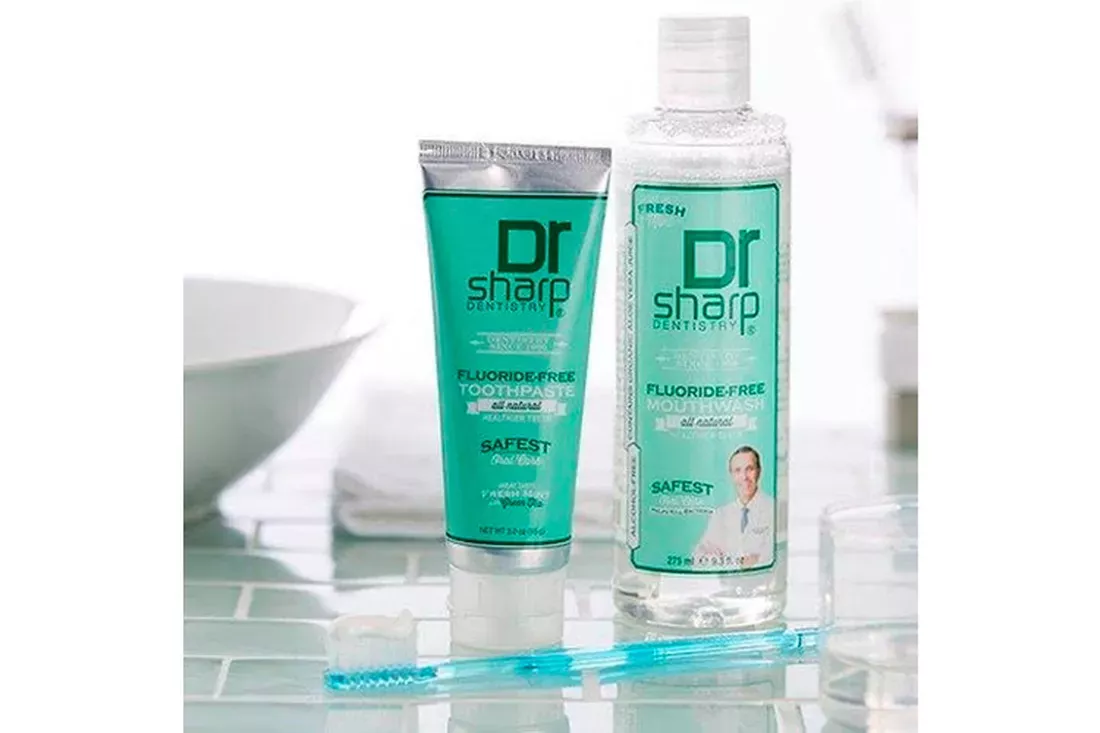
- Brush regularly – The ADA recommends brushing at least twice a day with a soft bristle brush after meals and replace your toothbrush every three to four months. We recommend to use a natural fluoride-free toothpaste free of chemicals.
- Use mouthwash – we recommend to use a natural alcohol-free and fluoride-free mouthwash once a day after brushing in the evening.
- As a last resort, wear gloves. If you want to floss your teeth but you just can’t put your own hands in your mouth right now, wear gloves to do the cleaning protocol.
Take Action for Your Health
Your oral care routine is an essential component of supporting your immune system. By keeping your teeth and gums healthy, you’re reducing the bacterial load your body must manage and helping your immune system focus on protecting you from external threats.
Don’t wait until problems arise. Schedule your dental check-up appointment to ensure your oral health is working for you, not against you.