Table of Contents
ToggleThere is a limit to what a great smile can hide, and there is a limit to what porcelain veneers can fix. Patients call Sharp Dentistry every week asking whether veneers can straighten crooked teeth or restore worn-down front teeth – and the honest answer is: sometimes yes, sometimes no. What matters far more than the answer is who is making the call. Complex veneer cases involving alignment, wear, or bite sit squarely in prosthodontic territory, and choosing the right specialist changes what is actually possible for your smile.
Can Porcelain Veneers Fix Misaligned Teeth?
Veneers can correct the appearance of mild to moderate misalignment – small rotations, minor crowding, uneven lengths, or teeth that lean slightly inward or outward. The porcelain shell is designed to sit in the ideal position, camouflaging the underlying tooth alignment without actually moving anything.
This approach is often called ‘instant orthodontics,’ and for the right patient it works beautifully. A weekend cosmetic makeover replaces what would otherwise be a year or two of braces or aligners.
But there are real limits. Veneers are not the right answer for:
- Significant crowding or tooth rotation
- Underbites, overbites, or crossbites
- Cases where the bite itself is misaligned
- Teeth that lean far out of position
In those situations, orthodontic treatment first – followed by veneers only if needed – produces a healthier, longer-lasting result. Forcing veneers onto teeth that need orthodontic movement often leads to over-preparation of natural tooth structure and unpredictable bite issues down the line.
Can Porcelain Veneers Fix Worn Teeth?
Yes, and this is one of the most rewarding applications of veneers when handled correctly. Worn teeth are common in adults over 40, and increasingly in younger patients dealing with clenching, grinding, or acid erosion from reflux and dietary acids.
As teeth wear down, the smile visibly shortens, the lower face can start to look collapsed at rest, and everyday function suffers. Porcelain veneers can:
- Restore the original length of front teeth
- Rebuild lost enamel volume and shape
- Restore proper lip support and facial proportions
- Improve both appearance and chewing function
The catch: teeth worn severely enough to expose dentin often need more than a veneer – a full-coverage dental crown or an onlay may be more appropriate. Determining what a tooth actually needs (veneer vs. crown vs. onlay) is a clinical judgment call, and getting it wrong shortens the life of the restoration significantly. This is where prosthodontic training becomes decisive.
Why a Prosthodontist Matters for Complex Porcelain Veneer Cases
A prosthodontist is a dental specialist with three additional years of advanced, hospital-based training beyond dental school, focused specifically on the restoration and replacement of teeth and any missing structure in the head and neck. Prosthodontics is one of the specialties formally recognized by the American Dental Association.
General dentists and cosmetic dentists can absolutely place beautiful veneers on straightforward cases. But when alignment, wear, bite, or full-mouth rehabilitation enters the picture, prosthodontic training changes what is possible.
Bite and Occlusion Mastery
Veneers on misaligned or worn teeth change how your teeth come together. A prosthodontist is trained to design restorations that function harmoniously with your bite, protecting both the veneers and the underlying teeth from premature failure.
Restoration-First Planning
Prosthodontists learn to work backward from the ideal final result. Instead of adapting a smile to existing tooth position, they design the ideal smile first and then determine what needs to happen to get there – veneers alone, orthodontics first, or crowns on certain teeth.
Full-Mouth Perspective
Complex wear and alignment cases rarely involve only the front teeth. A prosthodontist evaluates the whole mouth: how the molars support the bite, how the jaw joints move, and how everything connects, before recommending veneers on the front.
Long-Term Predictability
Restorations placed with proper prosthodontic planning last significantly longer. Poorly planned veneers on worn or misaligned teeth commonly fail within a few years; well-planned prosthodontic cases routinely last decades.
At Sharp Dentistry, veneer work is designed to last a lifetime. That commitment comes from combining prosthodontic planning with an in-house dental lab – the ceramist and the prosthodontist work side by side, so shade, shape, and fit are refined in real time rather than negotiated by email with an outside lab.
What to Expect from a Prosthodontist-Led Veneer Case
The workflow at a prosthodontic practice is more thorough than at a general cosmetic office. Expect the following:
- A comprehensive exam of teeth, gums, bite, and jaw joints
- Full-mouth photographs and digital scans
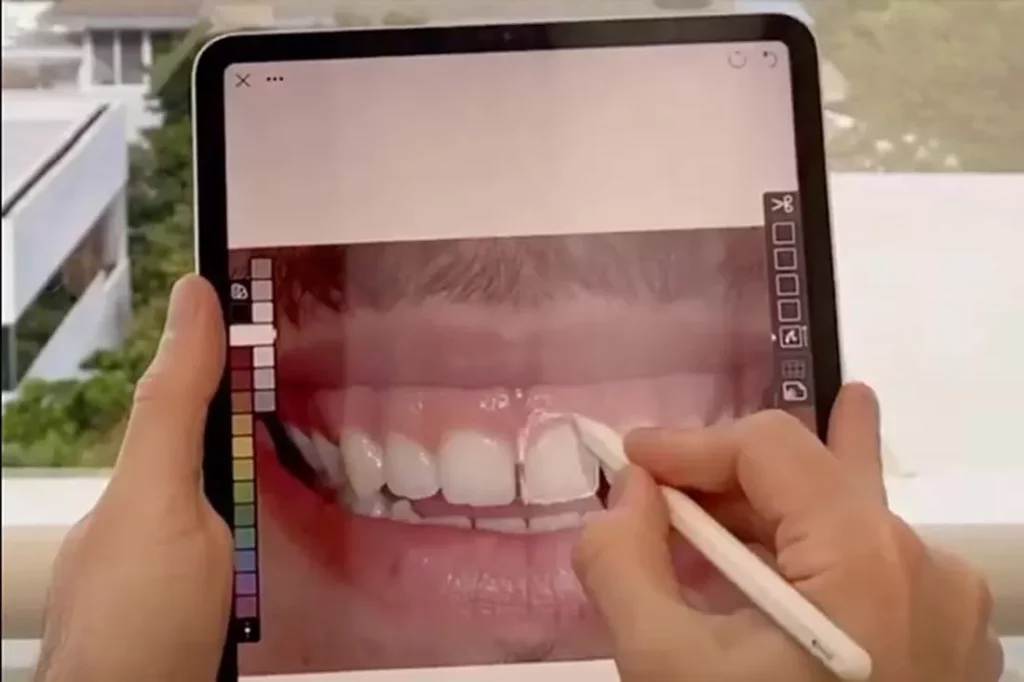
- A diagnostic wax-up or digital preview of your future smile
- A treatment plan that may include orthodontics, whitening, or other steps before veneers
- A trial-smile or mock-up phase before permanent veneers are placed
- Same-office in-house lab collaboration, so shade and shape can be adjusted in real time with the ceramist present
You should never leave a prosthodontic consultation feeling rushed or unclear about the plan.
Talk to a Miami Prosthodontist Before You Commit
If you are considering porcelain veneers and your case involves worn teeth, misalignment, or bite concerns, the smartest first step is a conversation with a specialist. Dr. Bruno Sharp is a fourth-generation, board-certified prosthodontist practicing in Coconut Grove, Miami, with 25 years of experience in complex smile restoration.
Schedule a prosthodontic consultation with Sharp Dentistry to find out what is actually possible for your smile – and what the smartest sequence of treatment would be.
Frequently Asked Questions
Veneers can camouflage mild to moderate misalignment but do not physically move teeth. For significant crowding, rotation, or bite issues, orthodontics is the appropriate first step.
Yes. Porcelain veneers can restore the length, shape, and function of worn front teeth. Severely worn teeth may require crowns or onlays instead of veneers.
A prosthodontist is an ADA-recognized dental specialist with three years of additional postgraduate training in the restoration and replacement of teeth. ‘Cosmetic dentist’ is not a formal specialty designation.
Not necessarily. Straightforward veneer cases can be handled beautifully by an experienced general or cosmetic dentist. Complex cases involving wear, alignment, or bite issues benefit from prosthodontic training.
Well-planned porcelain veneers routinely last 15 years or more, and often significantly longer when placed within a properly balanced bite. Veneer work at Sharp Dentistry is designed to last a lifetime thanks to prosthodontic planning and in-house dental lab craftsmanship.
Not really and the longevity of the work usually more than justifies the fee.